Wastewater treatment enquiries: where automation helps
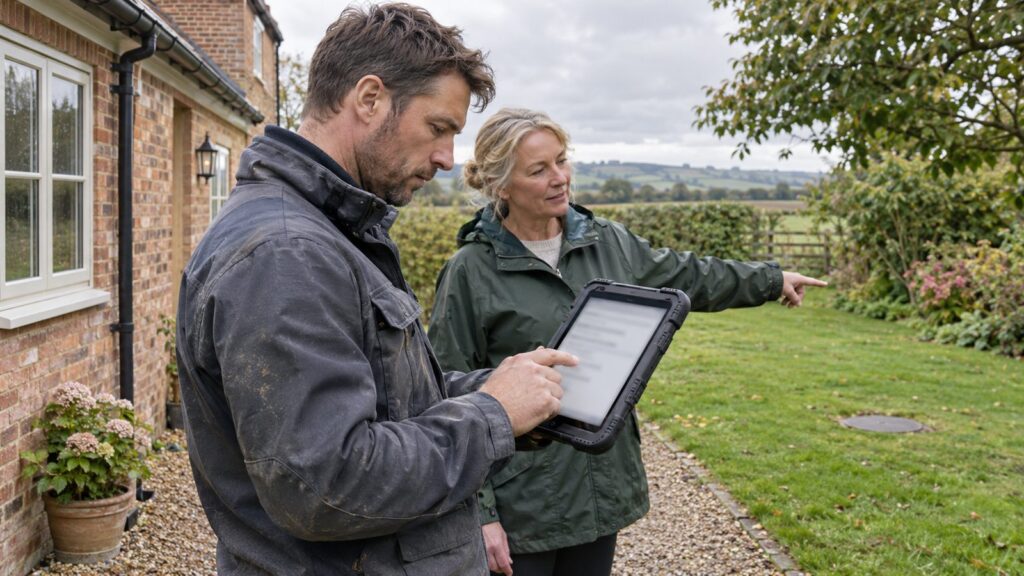
A wastewater treatment supplier can have a good product, a trusted brand and a steady flow of enquiries, and still lose jobs in the last mile. The last mile is the stretch between a homeowner’s enquiry and a quote the installer can stand behind. It is mostly manual, and it is where enquiries wait.
This article describes where automation can help. It does not report results from any live network. The fictional example is illustrative only.
What the last mile is
For a sewage treatment plant job, the last mile is a chain of steps:
- The enquiry is captured.
- The details are qualified.
- A provisional estimate is prepared.
- The enquiry is routed to an installer.
- The installer surveys the site.
- The installer quotes, and the job is booked.
Each handoff is a place where an enquiry can wait, be repeated or be lost.
Why a sewage treatment plant makes it harder
A treatment plant usually needs a power supply and a suitable place for the treated water to go. The installer confirms the discharge route and checks what approvals, if any, are needed for the property. The details that decide the system and the price are often not in the first enquiry, so incomplete enquiries cost the installer time.
Where automation helps
- Capture at any hour. A web enquiry that works around the clock, with an optional reception layer for the phone.
- Qualify once. The same structured questions on every channel, so the installer does not start from scratch.
- A provisional estimate where the enquiry supports it. Most customers want a rough idea of price. The estimate gives them one, and shows a suggested system from the supplier’s approved range with an image, so they can see what they are likely to need. The aim is to satisfy the customer quickly, so they have less reason to shop elsewhere. It also shows the matched options, states its assumptions and says what the survey will confirm. If key details are missing, the enquiry goes for review instead.
- Routing as soon as the enquiry is ready. Depending on how the supplier configures it, the installer can receive an SMS with a one-tap Accept or Decline, and an enquiry with no reply in the agreed window can re-route to the next approved installer.
- Chasing and recording. Follow-ups can be scheduled, and the outcome is logged.
- Reporting. The supplier can see volumes, response times and the reasons for declines.
A fictional example
Fictional and illustrative only. A homeowner submits an enquiry at 9pm on a Sunday. It is acknowledged straight away and the standard questions are completed in a few minutes. Where the details support it, a provisional estimate is sent with a rough price, a suggested system from the supplier’s approved range shown with an image, the matched options and its assumptions. On Monday morning the first eligible installer under the supplier’s routing rules receives the enquiry with the details attached and accepts it. The installer books a survey, confirms the discharge route and quotes.
What automation should leave to installers
Automation manages the steps up to the provisional estimate, and the routing. Installers keep the site visit, the final system choice and the quotation. Where the enquiry supports it, the estimate can suggest a system from the supplier’s approved range. If key details are missing, the enquiry goes for review. The installer confirms the final choice after the survey.
Before automating
- Agree one standard set of questions.
- Decide the response window, and the order in which installers are offered an enquiry.
- Agree the approved range, matched options and system images for each type of enquiry, and decide when an enquiry goes for review instead of getting an estimate.
- Start with one enquiry type and a limited group of approved installers.
For the wider picture, see Nine gaps between a homeowner’s enquiry and a price and Why a provisional estimate still needs a site survey. If you would like to see how this could work for your network, request a walkthrough.